
About the Carmel Tunnels

About the Carmel Tunnels

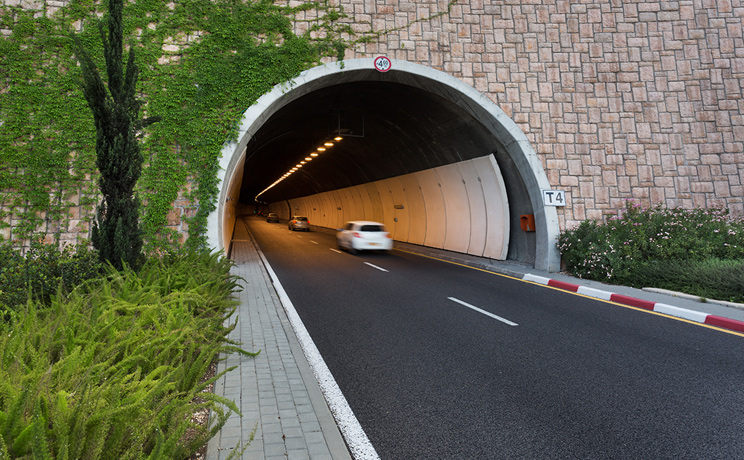
The Carmel Tunnels project, which opened for traffic in 2010, is one of the most prominent and innovative transportation and engineering projects in the history of the State of Israel. The project was designed, financed, constructed and maintained by the Carmelton Group Ltd., under government supervision, using the “Build-Operate-Transfer” (B.O.T) method. The tunnels connect the Haifa South Interchange on Highway 2 and the Check Post (HaKrayot Interchange), located at the eastern entrance of the city. At the center of the project is the Neve Sha’anan Interchange, which leads to the Grand Kenyon, downtown Haifa, and the Carmel. The total length of the Carmel Tunnels system is approximately six kilometers, allowing travel on one-way routes, in two lanes, with a separate tunnel system for each travel direction. The link between the Krayot Bypass (Highway 22) and the Carmel Tunnels (Highway 23) allows for a relaxed drive on the shortest, most comfortable and safest route.

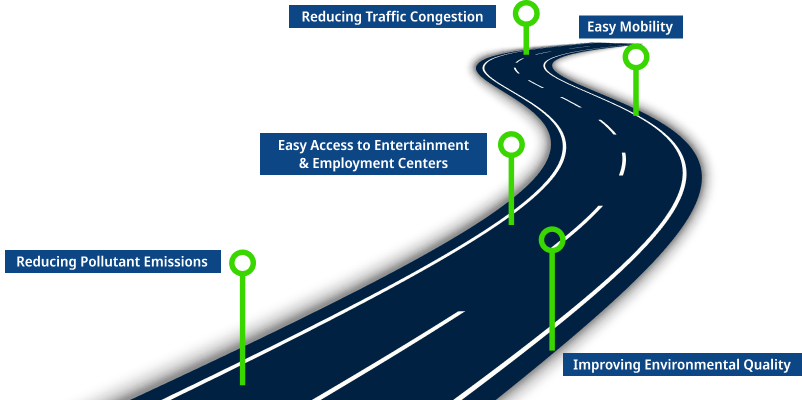
The Carmel Tunnels operate as an advanced and innovative toll road system, which significantly shortens the time required to cross the city, connecting residential, commercial and leisure areas. The Carmel Tunnels save hundreds of thousands of kilometers of urban road use every day, tens of thousands of liters of fuel, and thousands of hours wasted on city roads.  The use of the Carmel Tunnels contributes to reducing pollutant emissions, reducing traffic congestion in the city, and improving air quality and the quality of life of residents in Haifa and its surroundings every day, every hour, with every drive.
Using and Traveling Through the Tunnel

You can travel through the Carmel Tunnels both as registered users (“Subscribers”) and as unregistered users. Subscribers have access to designated, open transit lanes, without barriers, allowing for quick passage without the need to stop. When passing, the system identifies the vehicle using the license plate.

Users who have not registered as subscribers to the project have access to staffed payment lanes, where they can pay in cash or by credit card.

Using the Tunnel as a Subscriber (Subscriber Lane)

In the tunnels, it is recommended to travel as a subscriber (dial *5424 to join, using any phone) to enjoy a smooth drive, without stopping at toll booths and without the need for registration or subscription fees. If you don’t drive – you don’t pay! Billing in the Carmel Tunnels is done solely according to the number of sections you pass through (each tunnel is a section in itself). Identification of a passenger as a subscriber is carried out using video cameras, which identify the vehicle number. Only subscribers are allowed to travel in the designated subscriber lane.

Using the Tunnel as a Casual Driver (Toll Lane)

Using the tunnels as a casual driver involves two stops using two sections, one stop per section, with payment to a service representative, in cash or credit. At the payment station, the driver must indicate how many sections it intends to pass. A driver who chooses to pass through two sections will receive a pass that it must return at the exit in the “toll” lane. A casual driver is only allowed to drive in the “toll” lane.

For your convenience, see Details of Segments and Travel Prices.

* The rates for travel in the Carmel Tunnels were determined in the concession agreement between the Israel and the Carmelton Group, which holds the concession to operate the project.
* Passage via subscriber lanes is possible for those who pre-register as subscribers to the Carmel Tunnels. It should be noted that a subscription to Highway 6 does not entitle you to travel on the subscription lanes, and Highway 6 subscribers must also register for the Carmel Tunnels.
* Please note: Moving through subscription routes without a valid subscription may result in compensation and reimbursement of expenses, in accordance with regulations.

Toll Road Improves the Quality of Life in Haifa

Traveling through the Carmel Tunnels in Haifa not only significantly shortens travel times, both for crossing the city and within it, it also improves the quality of life for residents of the city and its surroundings. Dramatic reduction in traffic congestion and traffic jams, easier mobility between all parts of the city, more convenient access to entertainment, shopping and employment centers, reduction of pollutant emissions and improvement of air quality. Thanks to these advantages, the Carmel Tunnels are quickly becoming an integral part of the Haifa landscape and an important component in the lives of hundreds of thousands of Israelis.