Facts

Carmel tunnels Let's talk about the facts

The Carmel Tunnels are among the cheapest toll tunnels in the world.

A comparison of toll tunnel rates around the world shows that the rates in the Carmel Tunnels are significantly lower than the rates used in the vast majority of other toll tunnels around the world. For more information, download the comparison table, The research was conducted by Adkit Israel Ltd. during May 2016.

Why do I have to pay for a 5-minute ride?

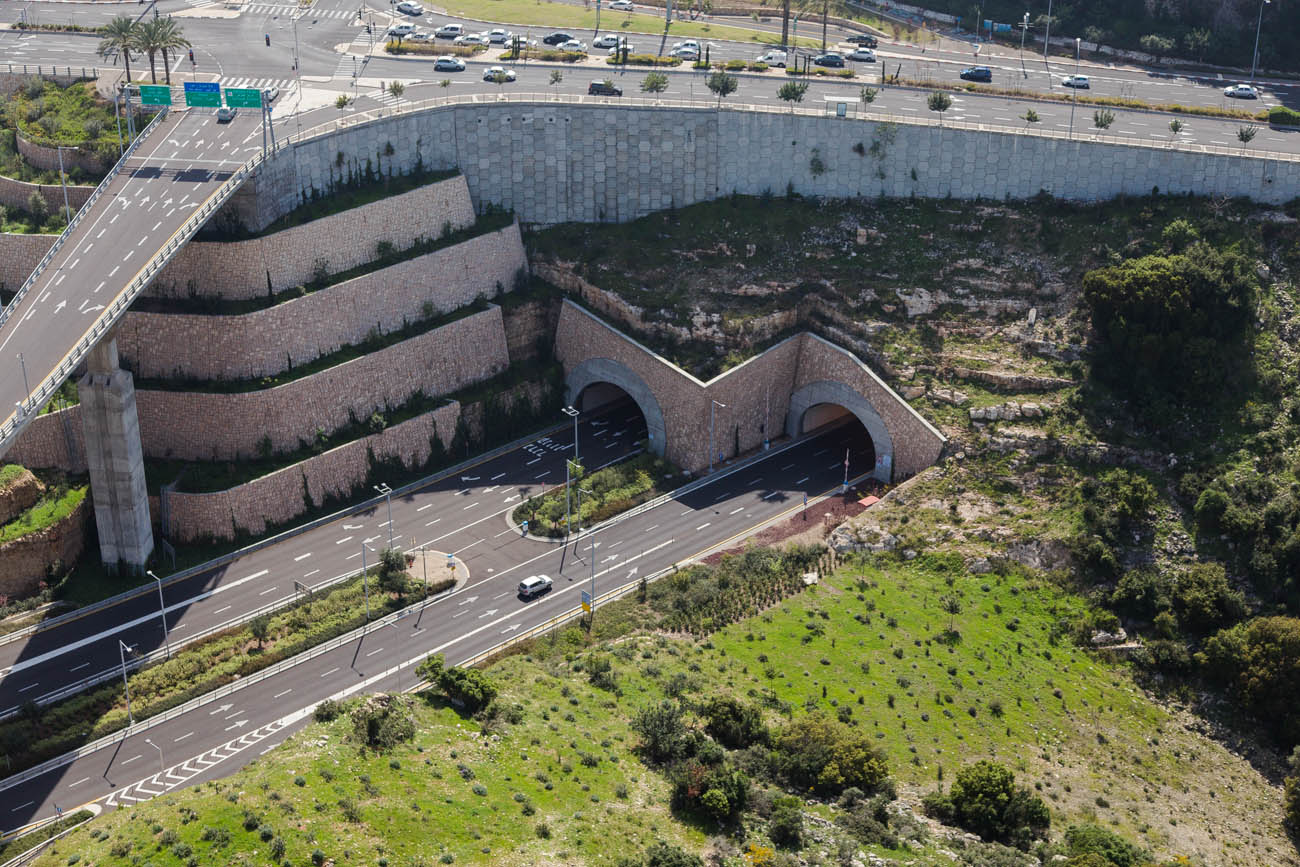
Honestly? That’s a good question. First of all, it should be remembered that the main purpose of the Carmel Tunnels is to shorten travel distance and save time. It is important to remember that the benefit of using the project is the savings in time and distance compared to traveling on alternative routes. The short journey, which is the great advantage of the project, is made possible by the fact that we have dug tunnels in the heart of Mount Carmel that connects Hof HaCarmel and HaKrayot Interchange in the shortest and fastest way, and we have created a project that allows for continuous, comfortable and safe travel at speeds of up to 80 km/h, without intersections, stops and traffic lights.

The main benefit obtained from using the project is time savings. The Carmel Tunnels were built primarily to solve the need and demand to shorten travel distances and save travel time when crossing the city and moving from the city center to its outskirts. In order to create maximum time savings for you, the drivers, we have invested enormous resources – above NIS 1.3 billion – over nearly five years, with one goal: to connect the western entrances to the city, via the Ruppin Interchange, to the eastern entrances, by the shortest and most efficient route, approximately 6.5 kilometers, most of which was dug in the depths of Mount Carmel. The short route, compared to the longer alternative routes, is the main advantage of the project.

The Carmel Tunnels were designed for continuous, smooth travel, without traffic lights, intersections, or stops, and at a speed exceeding the speed limit on urban roads, also in order to shorten the duration of use of the project, which amounts to only a few minutes. The project’s tremendous success and its most significant advantage lie in the fact that it meets the conditions that allow for a short, fast, comfortable and safe trip of only a few minutes, thus enabling maximum savings compared to any other alternative route.

The Savings – More Than You Thought

Data from a study by Eco Finance and the Shmuel Ne’eman Institute for National Policy Research conducted in July 2015 shows that the overall benefit from using the Carmel Tunnels during peak hours for a private vehicle is approximately equal to the cost of use. The benefit consists of calculating time, fuel, and environmental costs of noise and pollution, all without considering the wear and tear on the vehicle, the hassle of standing in traffic jams, and the inherent benefits of using a convenient and safe infrastructure. For more information about the study, click here.


Toll Tunnels Vs. Toll Roads – There's a Difference!

It is important to understand: A toll tunnel and a toll road are completely different transportation projects, in terms of construction costs, operation, maintenance, safety requirements, and the means and systems installed in them.

The cost of constructing one kilometer of the Carmel Tunnels is estimated at approximately NIS 225 million, while the cost of constructing a kilometer of road (with similar parameters) is estimated at approximately NIS 20-22 million. Excavating the tunnels, as well as constructing the Ruppin Interchange, the largest in Israel and including 7 bridges and ramps, constitute a significant portion of the project’s construction costs.

These systems, as well as the operating theory dictated by safety requirements, which require immediate response and response times, require supervision, monitoring, and the presence of patrol and control teams, in volumes that are significantly higher than those required for operating a road other than a tunnel.


In Toll Tunnels, Travel is Subject to a Fee.

The Carmel Tunnels are a BOT project. What does that mean?

  • BOT – Build, Operate, Transfer is a common model for contracting between the state and a private developer, for the establishment of mega-projects, while utilizing the advantages of the entrepreneur and placing most of the risks on its shoulders, including the issue of financing, in a way that allows the establishment of large projects, without state funding and without using the government budget.
  • After the need for the project to be established has been identified and defined by the state, and in light of budget constraints and/or budget priorities, along with recognizing the advantages of the private entrepreneur as a business entity, professional, efficient and competitive, specializing, among other things, in financing, planning, construction, operation and maintenance, in relation to the performance of these activities by a government authority, the state decides to direct the establishment and operation to the private developer.
  • The agreement between the state and the developer defines the conditions for fulfilling all of its obligations for the construction of the project, its operation and maintenance, throughout the entire concession period, while collecting a fee that will enable the fulfillment of the concessionaire’s obligations, the return of its investment, and in a manner that will enable the return of the project to the state in good condition at the end of the concession period.
  • Accordingly, the concession agreement established a mechanism for collecting a toll rate from project users.

The Rates Were Set in Advance in an Agreement With the State of Israel

The rates for travel in the Carmel Tunnels were determined in the concession agreement between the Israel and Carmelton, including the method of fare updates and the dates of updates. The rates and their update mechanism were known in advance before the construction work began, and the company implements the rates in accordance with the agreement’s guidelines.
The toll rates in the Carmel Tunnels are linked to the Consumer Price Index and are updated every quarter. According to the agreement signed between Israel and Carmelton, the rates in the tunnels are identical and uniform for all users of the project.

Landscape Restoration, Soil Restoration and Environmental Quality Operations on a Massive Scale

  • Landscape Restoration: In 2014, we returned 40 dunams of extensive landscaping to the municipality, after carrying out extensive and comprehensive operations to restore the landscape and restore areas that we had treated to their former glory. The work included, among other things, planting thousands of trees and shrubs, typical of the Mount Carmel vegetation, to which irrigation systems were attached, to help them establish themselves.
  • Environmental Monitoring: As part of our commitment to environmental protection and quality, we operate four air monitoring stations that measure Co, No, and particles in the project environment, as well as detectors inside the tunnels themselves.
  • A master’s thesis published on the subject shows that the Carmel Tunnels have contributed significantly to improving air quality and reducing pollutant emissions from transportation. For more information, click here


Traveling Through the Carmel Tunnels is the Shortest, Safest and Most Affordable Route

  • Since the opening of the Carmel Tunnels for traffic, there has been a decrease of 20%-40% in traffic congestion on alternative routes.
  • The fuel savings result from both the reduction in travel time and distance, and thanks to the project route, without traffic lights or stops and without hills, which increase the vehicle’s fuel consumption.
  • Tens of thousands of Israelis travel through the Carmel Tunnels every day and enjoy a smooth, safe and fast ride, shortening the travel distance and saving fuel and time.
  • Every year, the tunnels save approximately 14,000 working hours and approximately 4,500,000 liters of fuel*.
May we all have a comfortable, pleasant and economical trip!